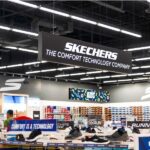
Your campaign launches in four weeks. Your signage for retail takes three to produce, ship and install—and that’s assuming nothing goes wrong across 50 locations. At one refresh a year, that margin was tight but manageable. At four, it means your in-store graphics are perpetually chasing the campaign, driving customers through the door.
And every time the campaign changes, the bill resets. New substrates, new freight, new install labor—costs that don’t scale linearly, they compound. Most retailers built the infrastructure for annual refreshes, but they never designed it to be repeated quarterly without hemorrhaging budget.
That’s the operational gap high-frequency retail signage now has to close, and it starts with a different infrastructure decision at the planning stage.
Why Are Annual Retail Graphic Refreshes Becoming Obsolete?
Annual refreshes are becoming obsolete because product cycles, promotions and trend windows now change far more frequently. When retailers update in-store signage once a year, they misalign with their own inventory and campaign calendars, making static, long-term commitment signage systems an operational liability.
The Structural Drivers Behind Compressed Cycles
The structural drivers are well established: faster product turnover, shorter promotional windows and social media accelerating trend fatigue across categories—a pattern reflected in 2026 retail design trends, reshaping how operations teams plan refresh cycles. Retail signage replacement frequency has had to follow.
The operational consequence isn’t just that signage looks stale. It’s that the rollout cadence required to stay current is incompatible with how most retailers built their signage infrastructure. Rigid systems create friction at every cycle, and that friction compounds across locations.
How Are Shorter Campaign Cycles Changing Retail Signage Strategy?
Shorter campaign cycles are forcing retailers to treat signage as operational infrastructure rather than a fixed investment. Graphic systems now need to support swap-outs every 8–12 weeks, which means material choice, frame reusability and logistics efficiency matter as much as print quality.
The budget conversation has shifted, too. Retailers are moving from capital expenditure on fixed installations to recurring operational spend on repeatable agile retail branding systems. Speed of execution is now a competitive variable.
A system that takes three weeks to produce, ship and install is a different problem than it was when you only did it once a year. As a result, the planning conversation has to happen earlier in the campaign cycle, not after creative is finalized.
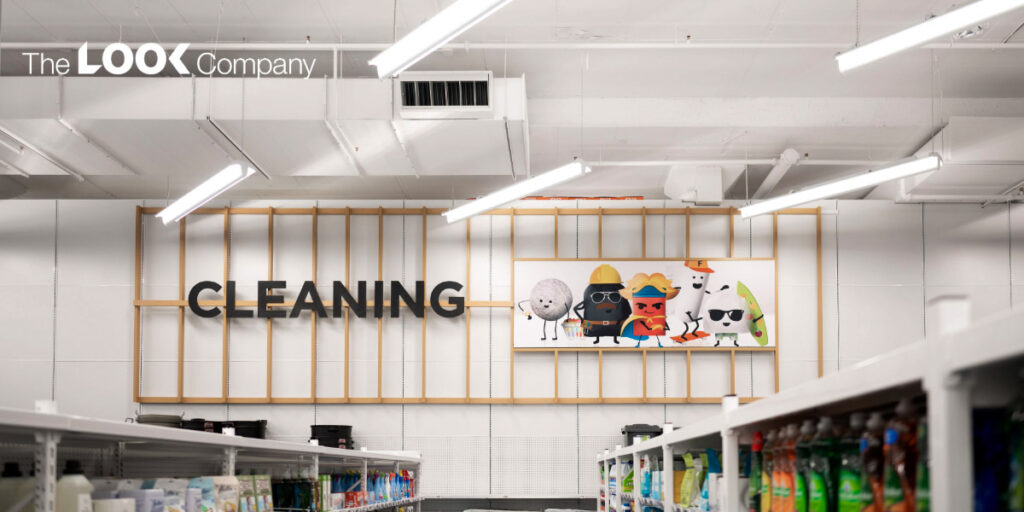
Why Do Rigid Signage Systems Struggle in High-Frequency Retail Environments?
Rigid signage systems require full substrate replacement every time graphics change. Materials like PVC, acrylic and foam board cannot be reused—which means each refresh cycle generates new freight, new storage requirements and new installation labor.
The Compounding Cost of Rigid Substrates
When you compare fabric vs. rigid retail signage at a quarterly frequency, the math shifts quickly. Rigid substrates are heavier, more expensive to ship, harder to store between campaigns and slower to install.
At one refresh per year, the inefficiency is manageable. When a retail network of 50+ locations requires four or more updates per year, this inefficiency becomes a significant operational drag. This is where the infrastructure choice—made at the planning stage—determines whether the system scales or breaks.
How Do Modular Fabric Systems Support Faster Retail Graphic Updates?
Modular fabric display systems—reusable display structures that allow printed fabric graphics to be quickly swapped in and out without replacing the frame—use interchangeable fabric graphic panels within standardized aluminum frames.
When a campaign changes, only the fabric is replaced. The frame stays in place, eliminating the need to remove and reinstall hardware on every cycle.
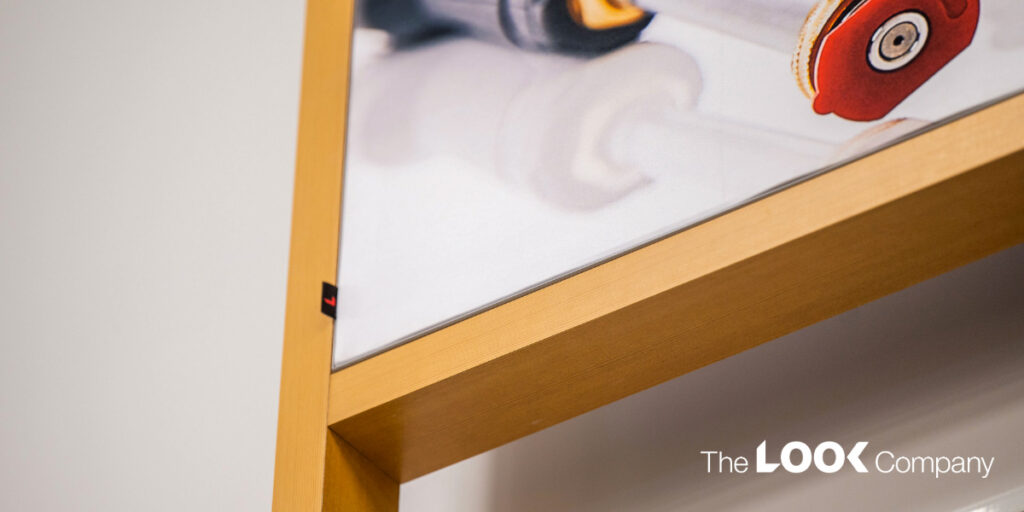
Six Components of a High-Frequency Retail Graphic System
The operational components that make this work at scale:
- Material flexibility: Lightweight, foldable fabric ships flat or folded—compact compared to rigid substrates and far less expensive to move between facilities and store locations.
- Installation efficiency: Graphic panels can be changed in minutes without skilled labor, reducing store downtime and eliminating the need for specialized install crews on every visit.
- Freight optimization: Lower per-shipment cost vs. rigid materials, and the knocked-down format means more units per pallet—fewer trips, lower freight spend per refresh cycle.
- Modular framing systems: Reusable hardware with standardized sizing means frames stay in place across campaigns. The fabric and frame system is the fixed asset; the graphic is the variable.
- Scalability across locations: Consistent hardware specifications allow graphics to be produced centrally and distributed to any number of locations without custom work on each visit.
- Lifecycle cost efficiency: Lower cost per refresh over time—material waste drops significantly when you’re replacing fabric, not frames, every quarter. The ROI of upgrading visual merchandising compounds across every cycle when the system is built for repeat use from the start.
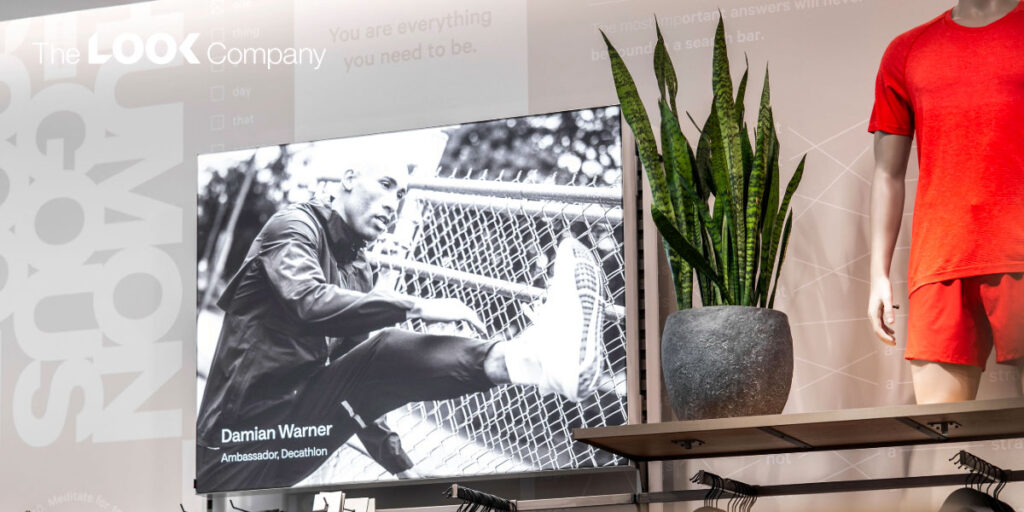
Why Fabric Finish Quality Holds Up at Quarterly Cadence
SEG (Silicone Edge Graphics)—a method of tensioning fabric graphics within an aluminum frame using a silicone strip—produces a smooth, taut, wrinkle-free display that holds up across repeated change-outs. It’s one of the reasons tension fabric display systems have become the standard for high-frequency retail environments.
This finish quality, combined with the operational efficiency of the system, is what makes fabric a practical infrastructure choice—not just an aesthetic one.
8-color fabric printing has also raised the output standard, meaning graphics that swap out every quarter don’t have to compromise on color accuracy or shelf impact.
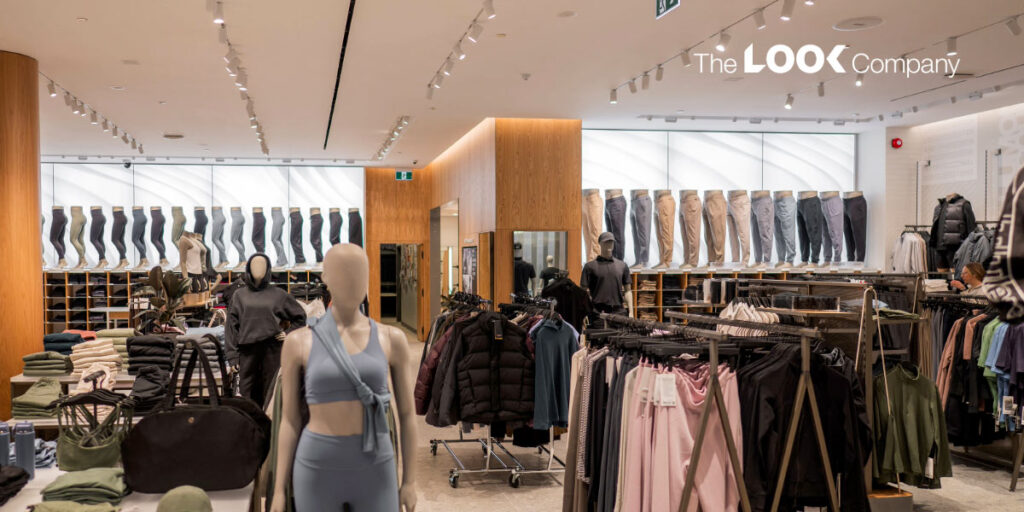
The Look Company’s modular display systems are built around this model: reusable frames, graphic panels changeable in a fraction of the time of rigid installs, freestanding options that don’t require wall anchoring and economical shipping in knocked-down format.
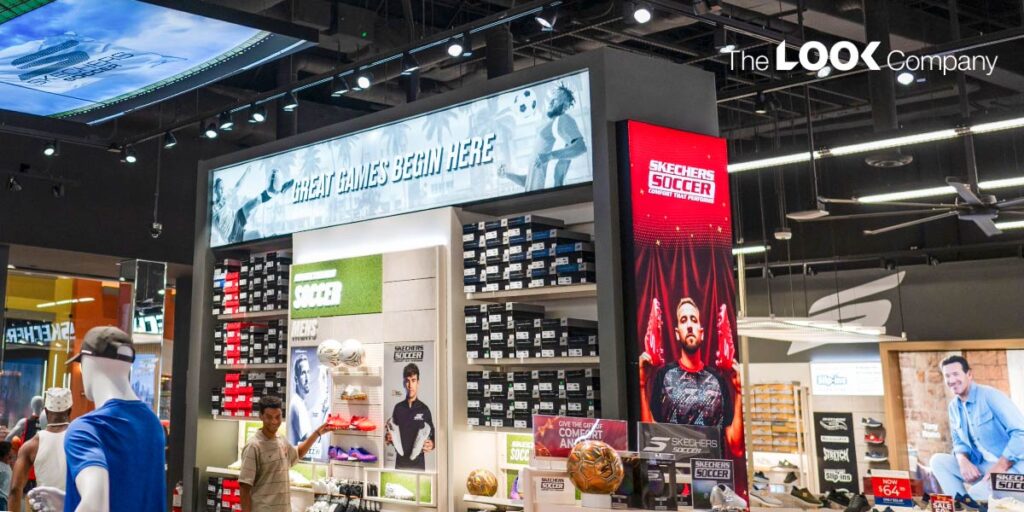
What Operational Challenges Come With Quarterly Graphic Refresh Cycles?
Quarterly retail graphics create compounding operational demands: coordinating production timelines across campaigns, managing freight and storage at scale, maintaining installation consistency across multiple locations and controlling costs that multiply with frequency.
These are systems problems, not creative ones.
Where Quarterly Rollouts Break Down
The logistics reality of four or more graphic rollouts per year across a multi-location retail network is significant. Production lead times have to be built into campaign planning well upstream—waiting until creative is approved to start production planning is a structural delay.
Storage between campaigns adds cost and complexity, especially for rigid substrate signage—hard materials like PVC, acrylic or foam board that require full replacement when graphics change, frame and all. Installation consistency across locations requires either a standardized hardware platform or a large, coordinated installation crew on every cycle.
The Look Company supports rollouts anywhere across North America, with a designated project manager per account to coordinate production, freight and installation scheduling across the full campaign calendar.
How Can Retailers Scale Frequent Graphic Updates Across Multiple Locations?
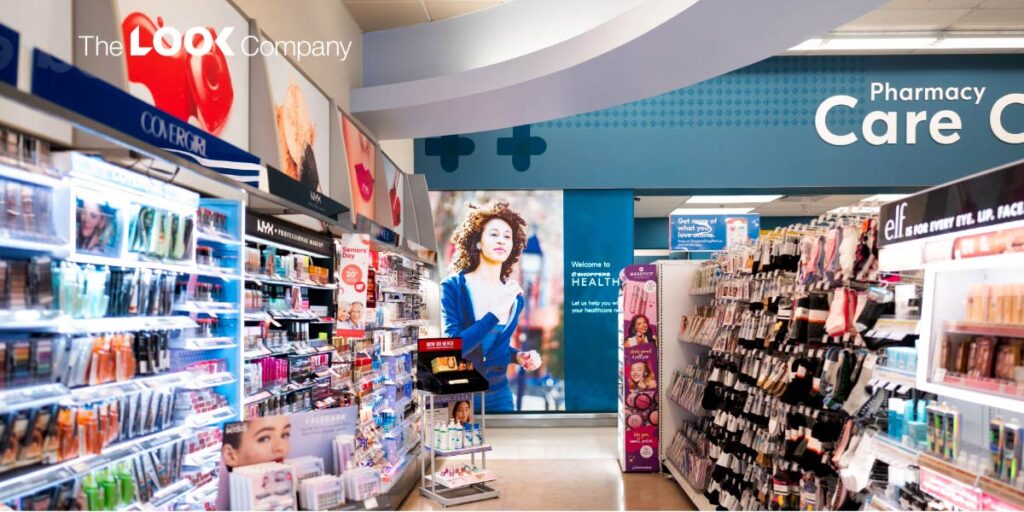
Scalable, high-frequency retail signage rollouts require standardized hardware across locations, centralized production and a logistics model built for repeat cycles. Quick-change retail displays with consistent frame sizing and interchangeable fabric panels are the operational foundation that makes multi-location rollouts repeatable and cost-efficient.
The Standardization Requirement
Standardization is the key variable. Retailers with non-standardized signage hardware across their network can’t execute fast rollouts efficiently—every location becomes a custom job. As branding consistency increasingly signals retail execution maturity, the hardware standard behind the graphics is just as important as the graphics themselves.
A modular system with consistent specifications allows graphics to be produced centrally, distributed flat and installed by in-store teams or local installers without custom work on each visit. The same scalability that makes modular displays effective across pop-up activations also applies to permanent retail networks operating on quarterly cycles.
At scale, this is the difference between a graphic refresh cycle—the frequency at which in-store signage is updated to reflect new campaigns, products or promotions—that works and one that erodes budget and timelines.
The Look Company’s campaign management and project management capabilities provide the operational layer that makes this repeatable. When the services model is built around repeat cycles from the start, each refresh becomes more efficient than the last—not more complex.
The Look Company: Build a Retail Signage System That Scales With Your Campaign Calendar
If your store network is running quarterly campaigns but your signage infrastructure was built for annual refreshes, the gap between your campaign velocity and your execution capacity will keep widening.
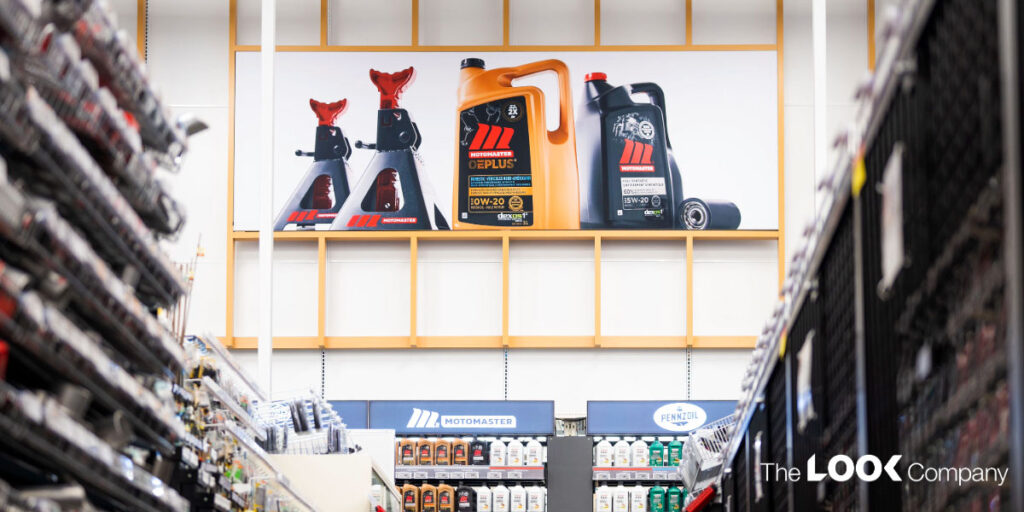
Modular fabric display systems close that gap by treating the hardware as a fixed asset and the graphics as variables. That means fewer hardware changeouts, lower freight per cycle, reduced install labor and materials that don’t generate waste on every refresh. The result is a lower total cost of ownership across the full campaign calendar and a display system that works harder for the space it occupies.
The Look Company works with large-format retail operations at the planning stage—before campaign timelines are locked and before the wrong infrastructure decision creates four cycles of friction.
Connect with The Look Company to assess your current graphic rollout model and build a signage for retail system designed for the cadence you’re actually operating at.
Frequently Asked Questions
Why Are Retail Graphic Refresh Cycles Becoming Shorter?
Retail graphic refresh cycles are compressing because product turnover is faster, promotional windows are shorter and trend cycles have accelerated across categories. Retailers running quarterly campaigns or frequent product drops can’t maintain brand alignment in-store with annual signage updates—the gap between what’s on the floor and what’s on the walls creates execution risk.
How Often Should Retail Stores Update Their Signage?
There’s no universal standard, but most large-format retailers running promotional or seasonal programs are now refreshing their retail signage every 8–12 weeks. High-velocity categories—such as apparel, electronics and seasonal goods—may require even more frequent updates. The right cadence depends on campaign calendar, category turnover and the operational capacity of the signage system in place.
Is Fabric Better Than Rigid Signage for Frequent Updates?
For high-frequency environments, yes. Fabric vs. rigid retail signage comes down to reusability and logistics cost. Fabric panels ship flat, install quickly and allow frame reuse across campaigns. Rigid substrates require full replacement on every cycle—generating more freight, more waste and more installation labor. At a quarterly cadence across multiple locations, the cost difference is substantial.
What Are the Operational Challenges of Frequent Retail Graphic Changes?
The main challenges are production lead time coordination, freight and storage management, installation consistency across locations and cost control as refresh frequency increases. Each of these is a systems problem—solvable with the right infrastructure and a planning model that builds campaign timelines around production and logistics reality, not just creative deadlines.
How Can Retailers Reduce Costs With More Frequent Graphic Updates?
The primary lever is switching from rigid to modular fabric display systems. Reusable frames eliminate per-cycle hardware costs. Fabric ships flat at a lower freight cost. Faster installs reduce labor spend. Centralized production for standardized hardware across locations consolidates vendor relationships and simplifies quality control. Over four cycles per year, the savings compound.
What Systems Support Scalable Retail Signage Across Multiple Locations?
Agile retail branding systems built on standardized, reusable modular frames with interchangeable fabric panels are the operational standard for multi-location rollouts. Consistent hardware specifications across a retail network allow centralized production, flat-pack distribution and local installation without custom work per site. The Look Company’s project management and installation network supports this model across North America.