Comparing SEG fabric vs. rigid signage is a common challenge for large brands planning expansive visual environments.
While SEG fabric vs. rigid signage is often discussed in large-scale branding, this article focuses on SEG fabric-and-frame solutions, with modular systems referenced as part of broader strategies for expansive, integrated signage programs.
Both approaches support high-impact visual communication across retail, events and venue environments, yet they differ in flexibility, durability and how they perform during large-scale signage installation.
We’ll compare them head-to-head to help you determine which option aligns with your brand’s goals.
Key Takeaways:
- SEG fabric and frames offer flexibility and fast changeouts, making them ideal for retail, events and multi-site brand refresh programs.
- Performance of SEG systems depends heavily on textile choice, from perforated fabric for windy outdoor events to opaque woven or stretch fabrics for indoor environments.
- Rigid substrate signage provides long-term durability, weather resistance and full ADA accessibility, which SEG fabrics cannot support.
- For large-scale branding, SEG excels in frequently updated spaces, while rigid substrates are best for permanent architectural elements and exterior installations.
- Outdoor applications require careful material selection: SEG is suitable only for short-term exterior use, and rigid substrates are preferred for longevity.
- Most organizations benefit from a hybrid approach that blends SEG flexibility with the structural stability of rigid materials.
What Is SEG Fabric & Frame Signage?
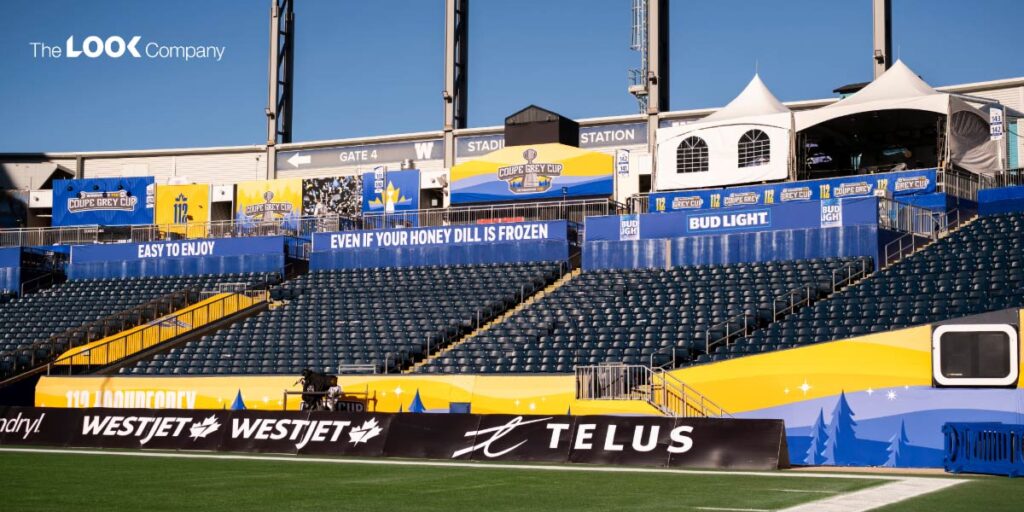
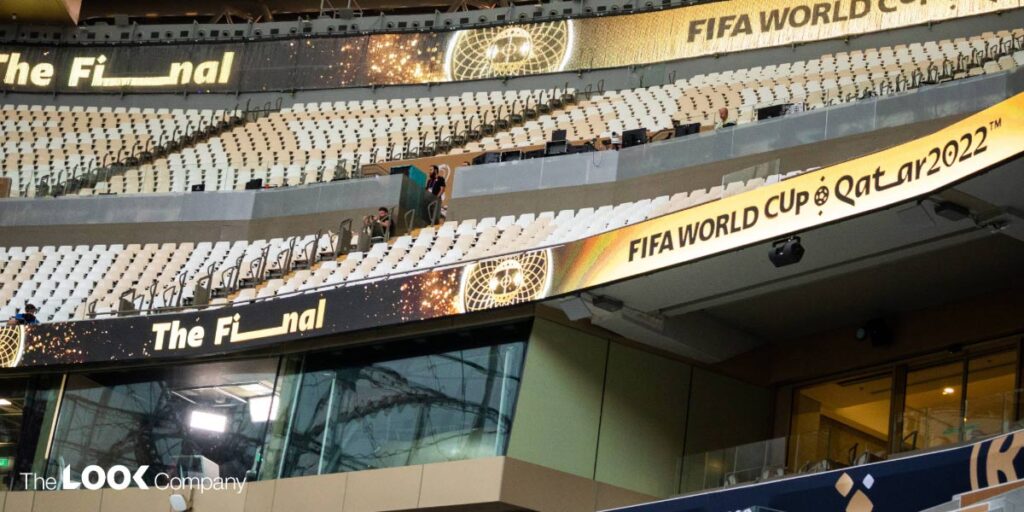
SEG fabric-and-frame signage uses tensioned fabric graphics that press into lightweight aluminum frames, creating a smooth, frameless appearance.
These systems offer clean edges, quick graphic swaps and lightweight construction ideal for dynamic environments where visuals change frequently.
SEG systems use printed fabric graphics paired with aluminum frames to deliver a polished, modern look.
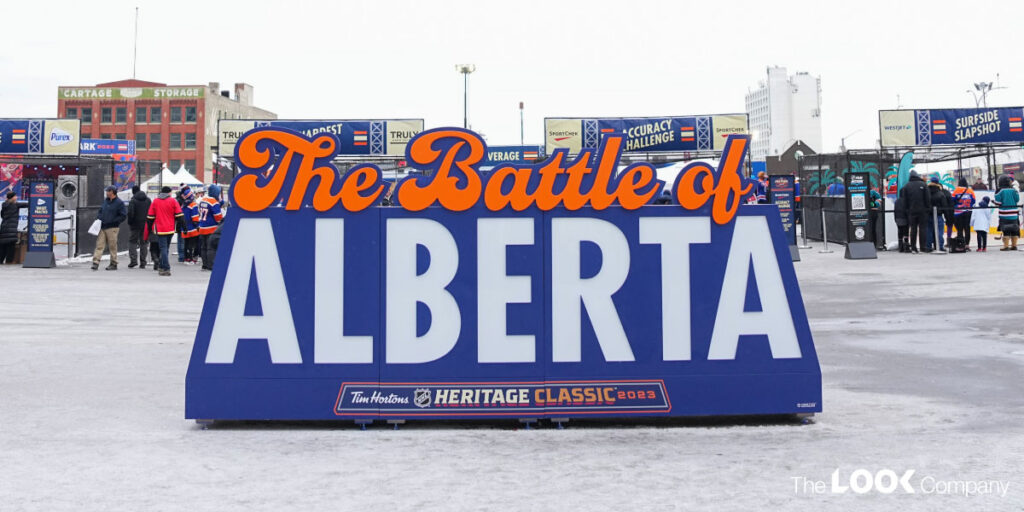
They are widely used in indoor retail environments, event spaces, sports venues and other locations where temporary to mid-term installations are common.
Top 5 Benefits of SEG Signage:
- Lightweight and easy to install
- Quick graphic changeouts
- Cost-effective for frequent campaigns
- Clean, modern appearance
- Integrates well with broader modular signage systems for large-scale branding
What Is Substrate Signage?
Rigid substrate signage uses firm materials such as PVC, acrylic, aluminum and foam board to create long-lasting graphic displays.
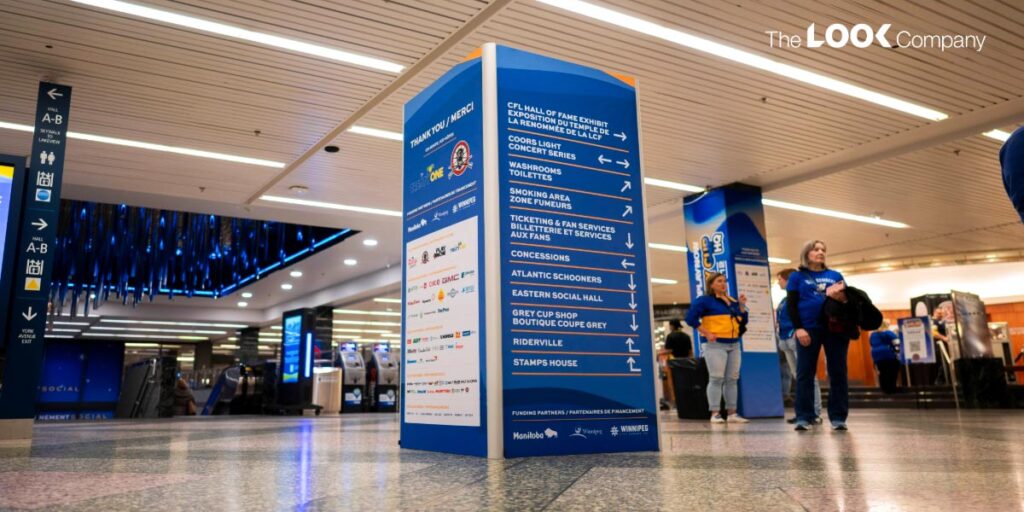
These signs deliver durability, structural stability and compatibility with accessibility features like Braille, making them essential for permanent installations and ADA-required wayfinding.
Rigid substrates are well-suited for exterior branding, long-term interior environments, directional systems and high-traffic locations.
They can also be produced across a wide range of printed substrates, including lightboxes with vivid fabric plus printed rigid substrates such as clear, frosted and regular PSV, Sintra, Corian and Himac.
This versatility supports premium finishes and consistent presentation in large, complex spaces.
Key Benefits of Rigid Substrate Signage:
- High durability
- Premium finish
- Weather and UV resistance
- Long lifespan
- Supports accessibility requirements (Braille and tactile text)

Which Signage Type Is Better for Large-Scale Branding?
SEG offers flexibility, reconfigurability and fast updates, making it ideal for environments with frequent visual changes.
Rigid substrates provide stability, longevity and compatibility with ADA requirements, making them the stronger choice for permanent, outdoor or high-exposure installations.
Many branding programs work better when they use both to find a balance between durability and flexibility.
For large-scale branding decisions, teams should consider cost trends, lifespan expectations, installation methods and visual consistency across wide footprints.
SEG Fabric vs. Rigid Signage:
| Factor | SEG Fabric & Frames | Rigid Substrate Signage |
| Setup time | Fast; lightweight and easy to handle | Slower; heavier materials require more prep |
| Reusability | High for frames, moderate for graphics | Low; panels are replaced rather than re-skinned |
| Durability (Indoor) | Strong for mid-term indoor use | Excellent for long-term installations |
| Durability (Outdoor) | Limited | Excellent; weather and UV resistant |
| Cost over time | Cost-effective for frequent updates | Cost-effective for permanence |
| Ideal use cases | Retail campaigns, events, venues | Exterior branding, ADA signage, permanent interiors |
| Accessibility | Cannot include Braille | Supports Braille and tactile elements |
Many organizations ultimately combine both systems to support different zones, timelines and brand objectives across a whole space.
What Lasts Longer: SEG Fabric vs. Rigid Signage
Rigid substrates generally last longer than SEG systems, especially outdoors. While SEG works well indoors and is great for changing graphics often, rigid materials last longer, resist weather better and meet accessibility needs like Braille for signs.
Indoors, SEG frames provide long-term usability, but the fabric graphics themselves are optimized for campaigns that refresh often.
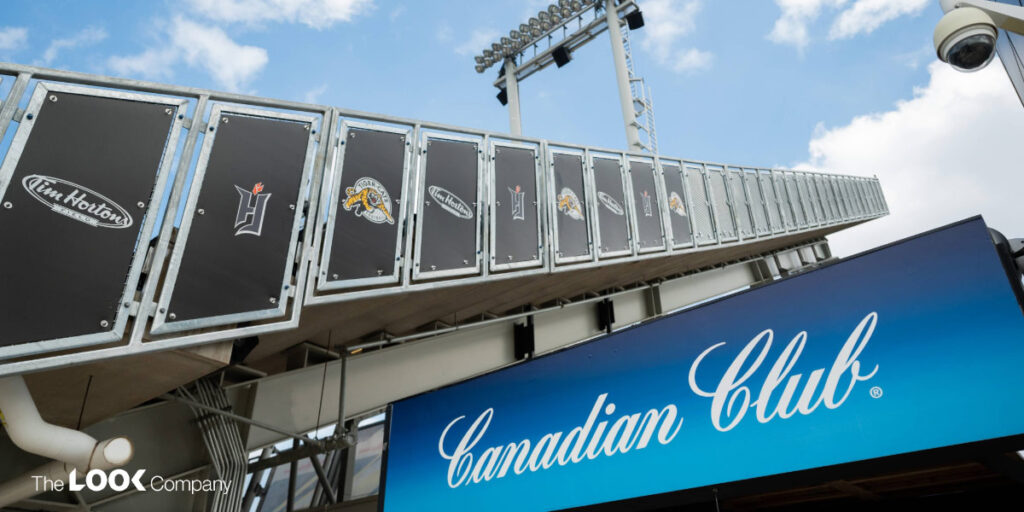
Built-in aluminum frames allow quick swaps, making SEG ideal for environments with seasonal or rapid updates. In contrast, rigid panels installed within fixtures or structures deliver maximum durability and stability, particularly in high-traffic or exterior conditions.
For instance, stores often use SEG for changing seasonal displays, while outdoor signs, campus markers or permanent displays usually rely on rigid substrate signage for lasting quality and meeting regulations.
When Should You Invest in SEG Fabric vs. Rigid Signage?
The right choice between SEG fabric vs. rigid signage depends on how often you update visuals, where the signage will be installed, durability expectations, accessibility requirements and overall brand objectives.
Choosing the Right Signage for Your Space
Use this quick checklist to guide your decision:
- Will signage change frequently?
- Is the installation temporary or permanent?
- Is the environment indoors, outdoors, or high exposure?
- Is ADA accessibility needed, including Braille or tactile elements?
- Do you need lightweight, transportable elements or fixed, structural components?
Consulting a signage expert helps ensure your materials, hardware and placement all align with your branding and performance requirements.
Frequently Asked Questions
Is SEG signage cheaper than substrate signage?
SEG signage is often more cost-effective in environments where graphics change frequently, due to reusable frames and lower update costs. Rigid substrate signage tends to have a higher upfront cost but offers long-term value for permanent installations.
Which signage is easier to install and transport?
SEG is lighter, easier to handle and typically faster to install or ship. Rigid substrates are heavier and require more care during transport and installation due to their structural materials.
What type of signage is best for retail environments?
Retail environments with frequent campaign changes benefit from SEG’s quick swap capability. Permanent departments, wayfinding and high-touch areas often rely on rigid substrates for durability.
What signage lasts longest for permanent branding?
Rigid substrate signage generally lasts longer, especially in outdoor settings or high-traffic interior areas. Its durability and weather resistance make it ideal for permanence.
Can SEG signage be used outdoors?
SEG can be used outdoors in specific hardware configurations, but fabric graphics are more vulnerable to weather and UV exposure than rigid materials. For long-term or harsh outdoor conditions, rigid substrates perform better.
Can SEG signage include Braille or tactile elements?
No. SEG fabric cannot accommodate Braille or tactile components. Rigid substrates are required for ADA-compliant signage.
The Look Company: Get Expert Guidance for Choosing the Right Signage
Selecting between SEG fabric vs. rigid signage comes down to how often your visuals change, the environments you serve, and the performance your brand requires. SEG offers agility and fast updates, while rigid substrate signage delivers permanence and ADA compatibility.
Many large brands use both to balance flexibility with long-term durability across diverse spaces.
Not sure which solution fits your brand? Talk to The Look Company’s experts for a custom recommendation tailored to your space, goals and budget.