Premium retailers are raising expectations for interior graphics as stores shift from simple signage to cohesive brand environments.
Material choice now affects how well a space communicates identity and supports customer experience. This is why many teams are turning to premium retail fabric graphics instead of vinyl.
Modern performance fabric graphic systems deliver smoother surfaces, better light control and integration that aligns with architectural design.
They allow brands to build retail environments that feel intentional and consistent, not temporary or piecemeal. Fabric-based solutions also support long-term sustainability goals by enabling reuse and reducing waste.
In this article, we outline why fabric systems are outperforming vinyl in high-end settings and how engineered textile solutions help retailers build durable, design-led spaces.
Why Are Premium Retailers Moving Beyond Vinyl for Interior Graphics?
Vinyl was once the default material for in-store graphics, but premium retailers now expect higher visual performance inside their environments.
Vinyl’s reflective surface, visible seams and limited light interaction make it harder to achieve the polished look required in modern experiential spaces.
As stores rely more on soft lighting and architectural integration, these limitations become more noticeable.
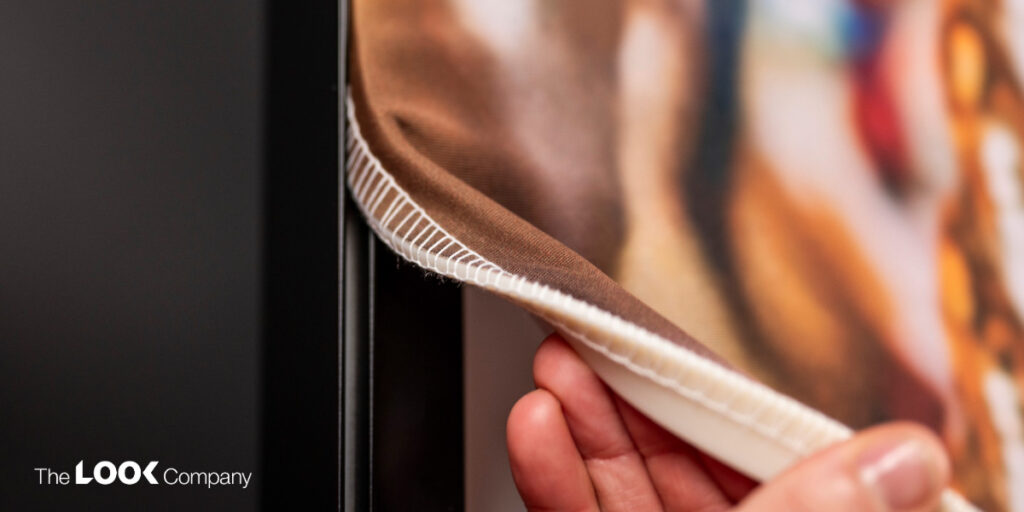
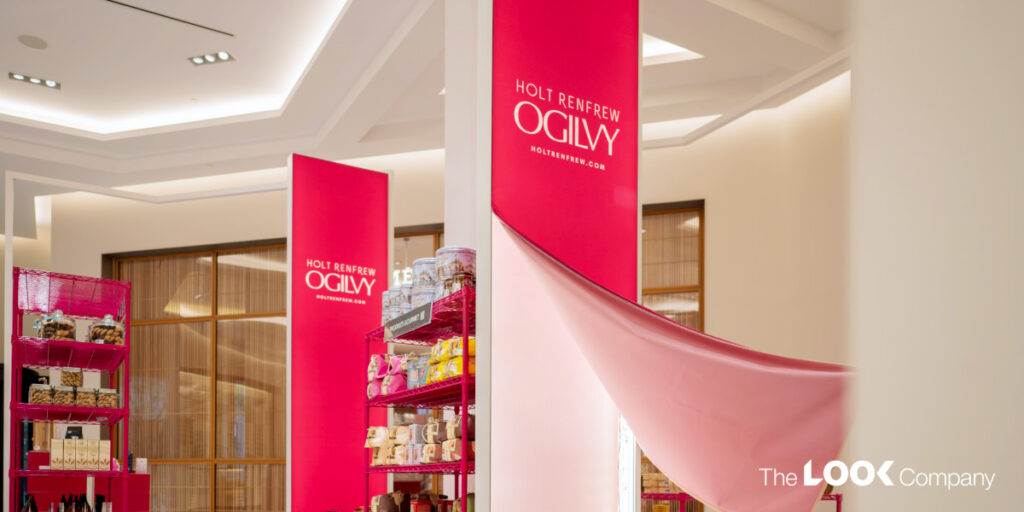
In contrast, high-end retail signage built with fabric offers a smoother, matte finish that blends into the environment rather than sitting on top of it. Fabric eliminates glare, supports backlighting and creates continuity across large surfaces without joints or distortion.
This level of finish aligns with the expectations of luxury and performance-driven retail design.
As visual standards rise, retailers are choosing materials that deliver cohesion and elevate the space. Fabric systems meet these expectations where vinyl no longer can.
How Fabric Graphic Systems Support Brand Experience and Interior Design
Modern retail environments rely on atmosphere as much as messaging.
Engineered textile graphics help create that atmosphere by shaping light quality, spatial flow and the store’s overall narrative. Fabric diffuses light evenly, removes harsh reflections and allows designers to create large, uninterrupted surfaces that feel integrated with the architecture.
Retailers use backlit fabric walls, tensioned surfaces and oversized installations to shape the customer journey with clarity and intent.
These create depth and softness that vinyl cannot replicate. They also give visual merchandising teams the flexibility to refresh campaigns without disrupting the environment.
Fabric-based systems are integrated into interior design rather than treated as a temporary addition, helping them fit well with the design ideas used in experiential retail spaces.
These systems support both brand expression and spatial consistency, which is essential in premium settings.
What Retailers Should Look for in a Performance Graphic System
More than just the printed surface defines a high-performing graphic system.
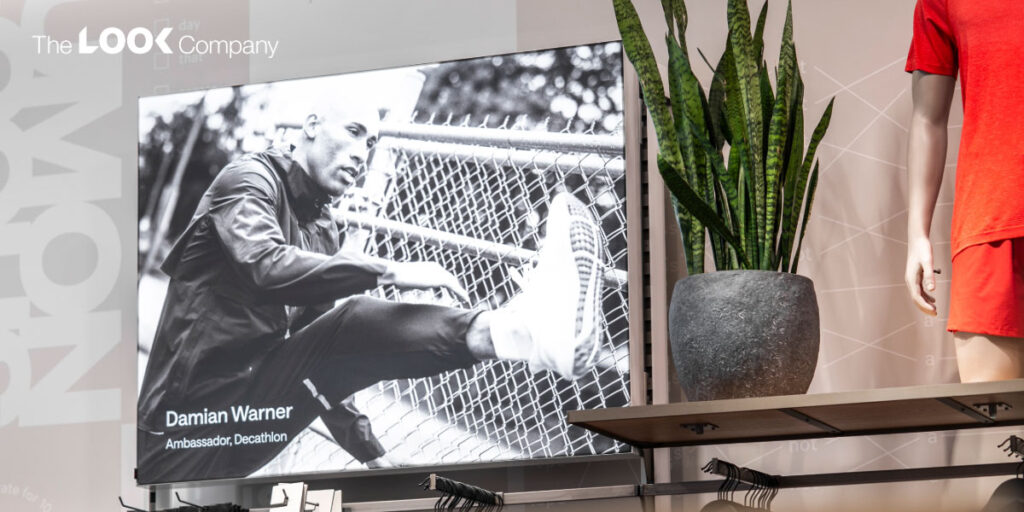
Premium retailers need solutions that combine material quality with engineered structure and long-term adaptability. This aspect is where architectural graphic systems and interior retail graphics outperform basic signage.
A proper system includes the frame, the tensioning method, the graphic material, and the installation approach.
Each component affects visual precision, durability and how well the display integrates with the store environment.
Retailers investing in sustainable retail display systems also need materials and hardware that support reuse and reduce waste during updates.
What Defines a Premium Retail Display System
- Engineered framing for clean lines and consistent tension
- Seamless material integration that eliminates visual breaks
- Scalable and reconfigurable components that adapt to store layouts
- Reusable and recyclable materials that reduce lifecycle impact
- Custom solutions tailored to the retail environment
These elements form the foundation of performance fabric graphic systems designed for premium spaces where quality and longevity matter.
When Vinyl Still Has a Role in Retail Applications
Vinyl still serves a purpose when durability and weather resistance matter.
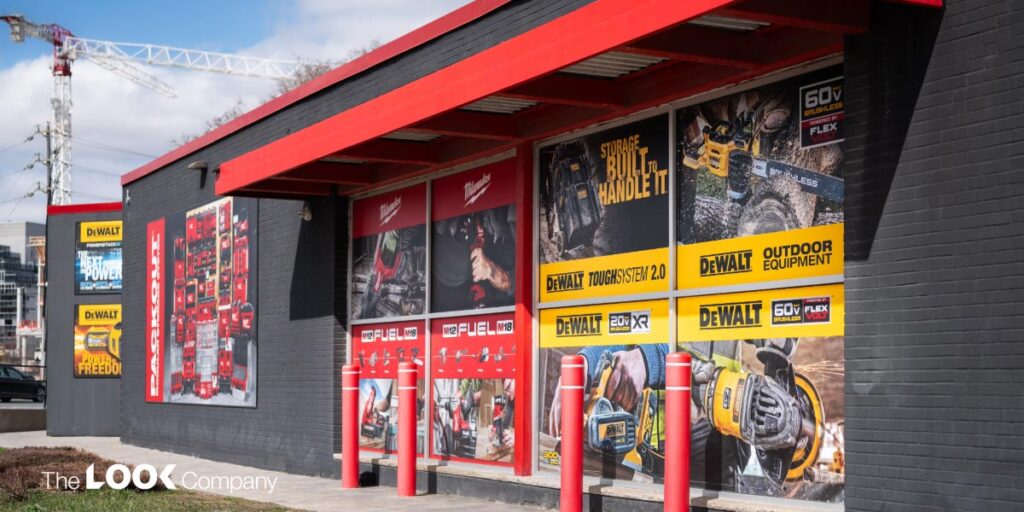
Exterior windows, high-wear areas and short-term promotions often benefit from vinyl because it performs well in environments that require abrasion resistance or exposure to temperature changes.
In these scenarios, vinyl offers practical value without compromising the interior experience.
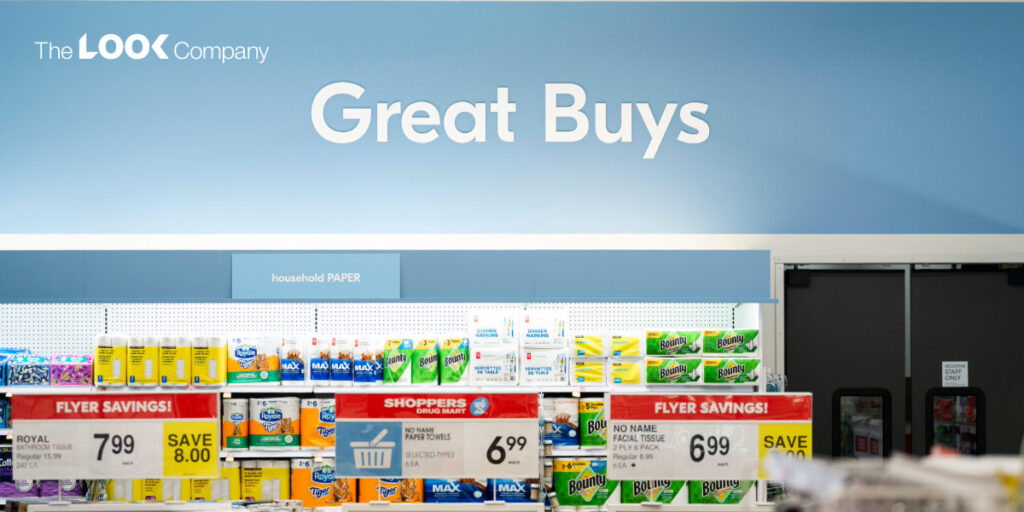
Inside premium environments, however, vinyl struggles to deliver the finish required for elevated brand expression.
Its sheen, seams and limited light performance make it less suitable for spaces that rely on cohesion and atmosphere.
This is why The Look Company takes a fabric-first approach for interiors and recommends vinyl only when the application demands it.
| Consideration | Interior Fabric System | Exterior Vinyl Applications |
| Visual finish | Smooth, matte, seamless | Reflective, prone to visible joints |
| Integration with space | Blends with architecture | Sits on top of surfaces |
| Durability | Best for controlled indoor use | Strong for weather and abrasion |
| Sustainability | Reusable and recyclable options | Limited reuse potential |
| Best use cases | Premium interiors, large formats, backlit displays | Exterior windows, doors, high-contact zones |
How to Evaluate Material Strategy for Long-Term Retail Performance
Retail teams planning new environments need a material strategy that supports long-term performance, not just a single campaign.
Visual merchandising materials should hold their quality over time, reduce replacement cycles and support updates without disrupting store operations. Fabric systems excel here because they combine lightweight durability with easy changeouts and consistent visual quality.
Modular systems and recyclable textiles help retailers meet sustainability goals while controlling lifecycle costs.
When paired with architectural graphic systems, fabric solutions integrate with fixtures and lighting, keeping the environment cohesive even as graphics evolve. This aligns with the expectations of brands that value consistency across stores and seasons.
The Look Company partners with retailers early in the design process to align materials with brand goals and spatial needs. This ensures each system delivers performance at installation and throughout its full lifecycle.
5 Key Factors Retailers Should Prioritize in Graphic Systems
- Brand expression consistency
- Environmental impact and recyclability
- Lifecycle cost and maintenance
- Flexibility for seasonal updates or campaigns
- Architectural integration and customer experience impact
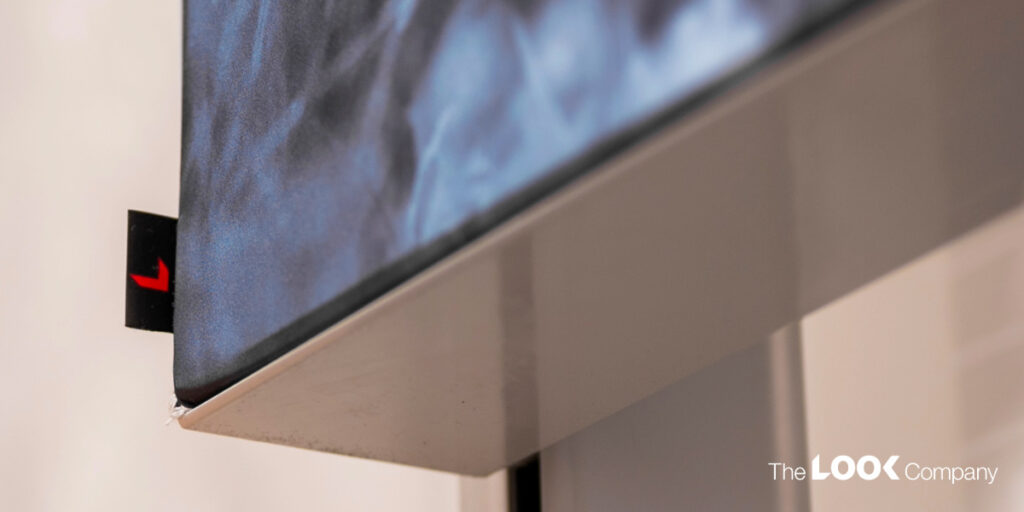
The Look Company: Guiding Retailers Toward Smarter Material Strategies
Premium environments demand materials that reinforce brand quality.
Premium retail fabric graphics are not just a substitute for vinyl but part of a larger system built around performance, sustainability and design intent. They support cohesive interiors, reduce waste and maintain visual integrity across campaigns and seasons.
Choosing the right system early helps retailers avoid costly rework and ensures every graphic aligns with the experience they want customers to have.
The Look Company works with teams to map material choices to design goals so each installation delivers long-term value.
Explore how performance fabric graphic systems can elevate your retail environment. Connect with The Look Company to discuss a material strategy that aligns with your brand vision and spatial goals.
Frequently Asked Questions
Is vinyl suitable for high-end retail interiors?
Vinyl is usually not recommended for premium interior spaces because its reflective surface and visible seams limit the refined look expected in elevated environments.
Can fabric graphics be used outdoors?
Fabric can be used in controlled or partially sheltered outdoor settings, but it is primarily designed for premium interiors where visual quality and integration matter most.
Why do performance fabric systems cost more upfront?
They offer better longevity, visual quality and reusability. Over time, premium retail fabric graphics reduce replacement cycles and provide greater value.
Are fabric graphic systems more sustainable?
Yes. Many sustainable retail display systems use recyclable textiles and modular hardware that support reuse and reduce waste.
How long do performance fabric graphics last?
With proper care and the right system design, fabric graphics can serve interior retail spaces for years with minimal fading or distortion.